Get to Know Dr. Baseri
About Dr. Bernard Baseri, DDS — A Story Built by Hands, Heart, and Craft
Long before dentistry became my profession, working with my hands was part of my everyday life. As a young boy, I spent a great deal of time around my father while he worked as a civil engineer. I was constantly exposed to tools, instruments, and the logic of how things are built. Watching him solve problems—measuring, adjusting, assembling, improving—shaped the way I learned to think. It made me curious, detail-oriented, and genuinely fascinated by mechanics: how small parts work together to create something strong, functional, and lasting.
At 14, that curiosity found a clear direction.
When I was preparing to have my wisdom teeth removed, I watched my dentist set up the surgical tray—carefully laying out each instrument with precision and purpose. In that moment, it clicked. The tools were different from what my father used, but the mindset felt familiar: planning, preparation, control, and craftsmanship. Dentistry suddenly felt like the perfect intersection of engineering, medicine, and artistry.
Not long after, I asked my dentist if I could shadow him, and he welcomed me into his office. That summer was formative. I didn’t just observe—I learned what it takes to run a clinical environment from the ground up. I helped with sterilization, organized operatories, assisted with room setup, and gained an early appreciation for what each instrument does and why every step matters. More importantly, I saw the human side of dentistry: the trust patients place in their doctor, and how a calm, capable team can completely change a person’s experience.
As I moved through college and toward dental school, I stayed deeply connected to dentistry—but I entered it through a path that most dentists don’t experience: the dental laboratory.
Before I ever attended dental school, I completed formal dental laboratory training and spent more than seven years working as a dental lab technician and ceramist. During that time, I had the privilege of being trained by Carlos Puga—recognized as a pioneer in porcelain veneer artistry. Under his mentorship, I developed a meticulous, detail-driven approach that continues to guide my work in cosmetic dentistry. I learned how subtle changes in shape, proportion, surface texture, translucency, and color layering determine whether a restoration simply looks acceptable or appears truly natural.
I later completed my dental training at the University of Southern California (USC) Ostrow School of Dentistry, where I gained extensive clinical experience across multiple disciplines, including full-mouth rehabilitation, cosmetic dentistry, dental implants, extractions, and Invisalign treatment.
To continue growing as a clinician, I actively pursue advanced training in implant dentistry, cosmetic dentistry, and orthodontics, with a strong emphasis on Invisalign. I am also a Certified Invisalign Provider, which allows me to integrate clear aligner therapy into comprehensive treatment planning.
Professional Memberships & Affiliations
Staying current with advancements in dentistry is an important part of how I provide care. I remain actively involved in several professional organizations, including:
- American Dental Association
- California Dental Association
- Los Angeles Dental Society
- American Academy of Cosmetic Dentistry
- American Academy of Implant Dentistry
- Dental Laboratory Association
- Alpha Omega Dental Fraternity (Southern California Chapter)
These affiliations allow me to stay connected to evolving techniques, materials, and standards in modern dentistry while continuing to strengthen both my clinical and laboratory expertise.
A Dual Perspective That Benefits My Patients
When I became a dentist, I quickly realized that my background wasn’t just unique—it was a clinical advantage for my patients.
I don’t only evaluate what needs to be done from a clinical standpoint. I also understand how restorations are designed and fabricated in the dental laboratory. Whether I’m planning veneers, crowns, implant restorations, or full-mouth rehabilitation, this dual perspective allows for more precise treatment planning and clearer communication with the lab. The result is dentistry that looks natural, functions properly, and is built to last.
A Multi-Specialty Approach Under One Roof
To make high-quality care more seamless, I designed my practice around a coordinated, multi-specialty model. Our office includes an in-house periodontist, endodontist, and oral surgeon, allowing patients to receive comprehensive care in one familiar setting.
This approach reduces the need for referrals, improves communication between providers, and creates a more comfortable and consistent experience for patients.
My Approach to Patient Care
While I take great pride in the technical side of dentistry, what matters most to me is how patients feel in my care.
Over the years, I’ve worked extensively with patients who experience dental anxiety or have avoided treatment due to past experiences. My approach is simple: listen carefully, explain each step clearly, and move at a pace that feels comfortable. Many patients tell me they are surprised by how manageable their visits feel—sometimes for the first time in their lives.
I also have experience treating patients who are recovering from substance use and may have complex dental needs. Restoring oral health in these cases can significantly impact confidence, overall health, and quality of life. Helping patients regain function and comfort is one of the most meaningful aspects of my work.
Outside of Dentistry
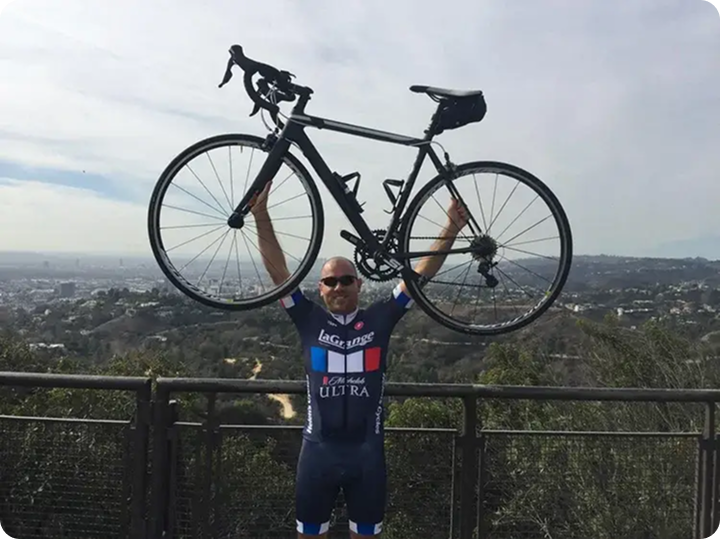
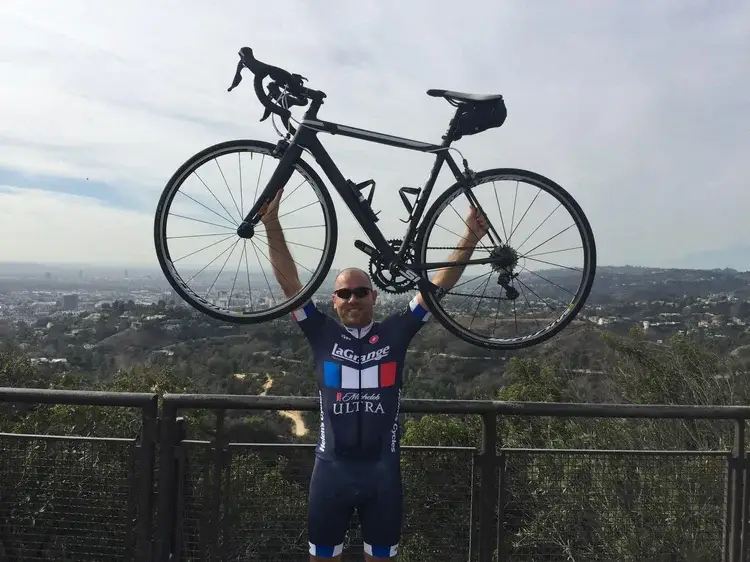
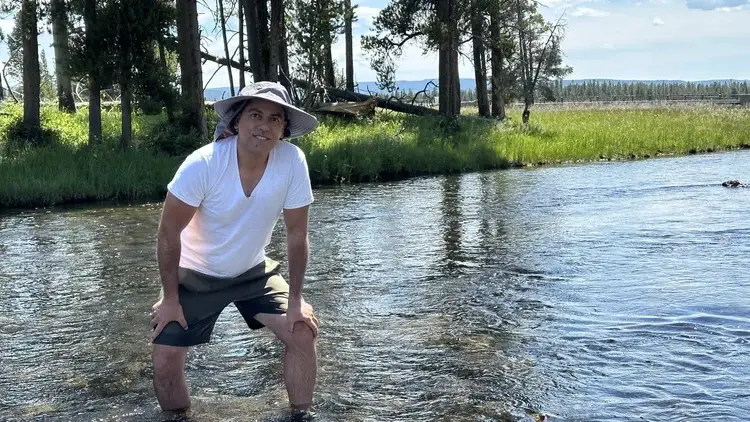
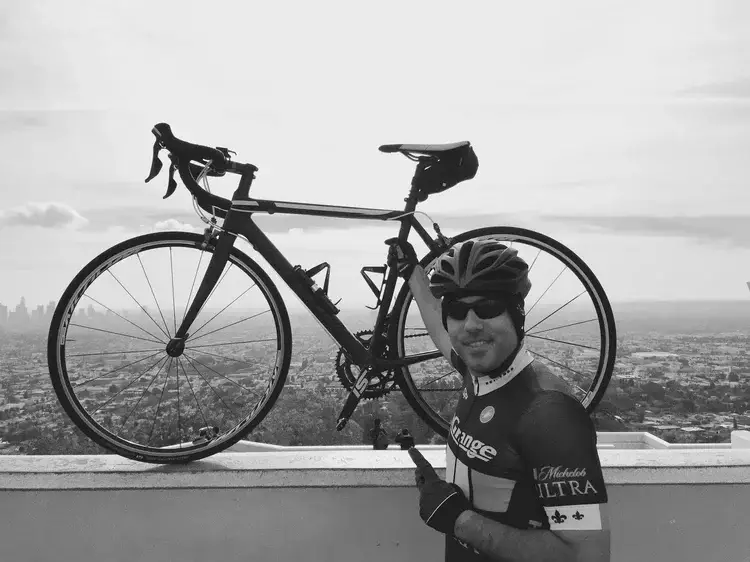
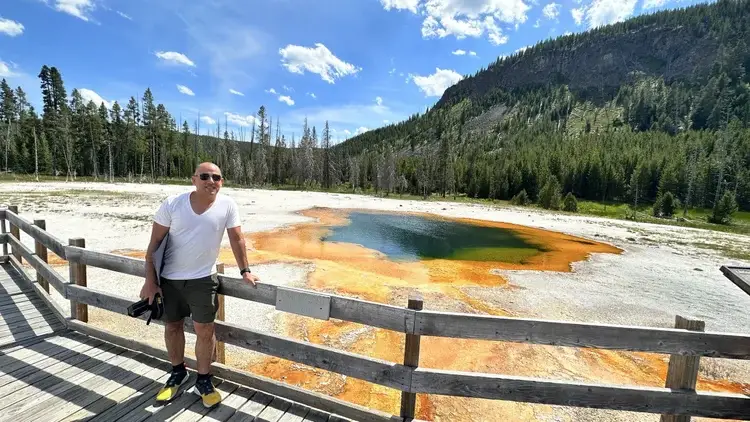
Outside the office, I enjoy staying active and spending time outdoors. I’m an avid swimmer and enjoy both road cycling and mountain biking. I also enjoy traveling to national parks, with Yellowstone being one of my favorite destinations.
Trusted Dentist In Los Angeles For Comprehensive & Cosmetic Dental Care
Dr. Bernard Baseri, D.D.S., a cosmetic and general dentist in Los Angeles, leads Smile Recreation Dentistry in West Los Angeles (Beverly Hills adjacent). With over 20 years of experience and a background as a master ceramist, he blends advanced clinical expertise with artistry to create naturally beautiful, long-lasting smiles.
Dr. Baseri specializes in porcelain veneers, Invisalign®, dental implants, and full mouth reconstruction, delivering personalized care designed to enhance both aesthetics and long-term oral health. Known for his calm demeanor and meticulous attention to detail, he provides a refined, patient-centered experience where comfort, precision, and exceptional results come together seamlessly.

Educational Background And Professional Journey
About Dr. Bernard Baseri, DDS — Cosmetic Dentist in Los Angeles with a Master Ceramist Background
Dr. Bernard Baseri, D.D.S., a leading cosmetic dentist in Los Angeles and graduate of the prestigious University of Southern California (USC) Herman Ostrow School of Dentistry, leads Smile Recreation Dentistry in West Los Angeles (Beverly Hills adjacent). He specializes in porcelain veneers, Invisalign, and dental implants, combining advanced clinical expertise with a rare background in dental ceramics to deliver naturally beautiful, long-lasting results. At Smile Recreation Dentistry, every smile is approached with precision, artistry, and a personalized level of care that reflects the elevated standard of the practice.
Long before dentistry became his profession, working with his hands was part of Dr. Baseri’s everyday life. As a young boy, he spent a great deal of time alongside his father, a civil engineer, where he was exposed to tools, instruments, and the fundamental principles of how things are built. Observing the process of measuring, adjusting, assembling, and refining instilled in him a deep appreciation for precision, structure, and problem-solving—qualities that continue to define his approach at Smile Recreation Dentistry in Los Angeles today.
At the age of 14, that early curiosity took a decisive turn. While preparing for the removal of his wisdom teeth, Dr. Baseri closely observed his dentist arranging a surgical tray with deliberate precision. In that moment, he recognized a familiar mindset—one rooted in preparation, control, and craftsmanship. Dentistry revealed itself as the perfect intersection of engineering, medicine, and artistry.
Shortly thereafter, he began shadowing in a dental office, gaining early exposure not only to clinical procedures but also to the operational and human aspects of patient care. From assisting with sterilization and operatory setup to observing patient interactions, he developed a foundational understanding of how thoughtful, attentive care can shape a patient’s overall experience—an approach that continues to influence the patient-centered philosophy at Smile Recreation Dentistry.
Before attending dental school, Dr. Baseri pursued formal training in the dental laboratory and spent over seven years working as a dental lab technician and ceramist. During this time, he had the privilege of training under Carlos Puga, a pioneer in porcelain veneer artistry in the United States. Under this mentorship, he developed a meticulous, detail-driven approach to aesthetics—learning how subtle variations in shape, proportion, surface texture, translucency, and layering contribute to restorations that appear truly natural. This foundation continues to set Smile Recreation Dentistry in West Los Angeles apart in the field of cosmetic dentistry.
Dr. Baseri later earned his dental degree from the USC Ostrow School of Dentistry, where he gained extensive clinical experience across multiple disciplines, including full-mouth rehabilitation, cosmetic dentistry, dental implants, extractions, and Invisalign treatment.
Committed to ongoing excellence, Dr. Baseri continues to pursue advanced training in implant dentistry, cosmetic dentistry, and orthodontics, with a strong emphasis on Invisalign. As a Certified Invisalign Provider, he integrates clear aligner therapy into comprehensive treatment planning—ensuring both functional and aesthetic outcomes are achieved with precision for patients throughout Los Angeles, West Los Angeles, and Beverly Hills.
My Approach To Modern Dentistry In Los Angeles
A Patient-centered Philosophy Of Precision, Comfort & Innovation
A Dual Perspective That Benefits My Patients
When I became a dentist, I quickly recognized that my background offered more than distinction—it provides a meaningful clinical advantage for my patients.
I don’t evaluate treatment from a clinical standpoint alone. With extensive experience in the dental laboratory, I understand how restorations are designed and fabricated at every stage. Whether planning porcelain veneers, dental crowns, implant restorations, or full-mouth rehabilitation, this dual perspective allows for a higher level of precision, seamless collaboration with the lab, and results that are natural, functional, and built to last.
A Multi-Specialty Experience, All in One Location
At Smile Recreation Dentistry in West Los Angeles (Beverly Hills adjacent), I’ve designed the practice around a coordinated, multi-specialty model to create a more seamless and elevated patient experience.
Our office includes an in-house periodontist, endodontist, and oral surgeon, allowing patients to receive comprehensive care in one trusted setting. This approach reduces the need for outside referrals, improves communication between providers, and ensures a more consistent, efficient, and comfortable experience from start to finish.
A Refined Approach to Patient Comfort & Painless Dentistry in Los Angeles 
Patients often come to us with dental anxiety, dental phobia, or past negative experiences. Our philosophy is simple—listen carefully, communicate clearly, and move at a pace that feels comfortable.
We specialize in painless dentistry in Los Angeles, creating a calm, supportive environment where patients feel at ease from the moment they arrive. Many patients share that their visits feel far more manageable than they ever expected—often for the first time.
We also provide care for patients with complex dental needs, including those recovering from substance use, where restoring oral health can significantly improve confidence, function, and overall quality of life. Helping patients regain comfort and self-assurance is one of the most meaningful aspects of what we do at Smile Recreation Dentistry.

PROFESSIONAL AFFILIATIONS AND RECOGNITIONS
Dr. Baseri is a proud member of several esteemed professional organizations, including:

American Dental Association
California Dental Association
Los Angeles Dental Society
American Academy of Cosmetic Dentistry
American Academy of Implant Dentistry
Dental Laboratory Association
Alpha Omega Dental Fraternity (Southern California Chapter)
These affiliations demonstrate his ongoing commitment to excellence in modern dentistry and staying aligned with the latest advancements in dental care.
BEYOND THE PRACTICE
Beyond his clinical work at Smile Recreation Dentistry, Dr. Baseri embraces a refined and well-balanced lifestyle centered around family, wellness, and meaningful experiences. He enjoys staying active through swimming, road cycling, and mountain biking, valuing both discipline and the restorative nature of the outdoors.
With a deep appreciation for travel, Dr. Baseri is especially drawn to the natural beauty of the country’s national parks, with Yellowstone remaining one of his most favored destinations. These moments outside the practice reflect his commitment to balance, clarity, and intention—qualities that thoughtfully extend into the care he provides for his patients.
SCHEDULE AN APPOINTMENT WITH DR. BASERI
If you’re searching for a trusted dentist in Los Angeles who combines advanced clinical expertise with a refined, patient-centered approach, Dr. Baseri welcomes you to Smile Recreation Dentistry. Schedule your appointment today and experience personalized, high-quality dental care designed to elevate your oral health and confidence.
Book Appointment